U.S. NATIONAL ACADEMIES FIND BIOTECH CROPS NOT HARMFUL TO HUMAN HEALTH AND THE ENVIRONMENT
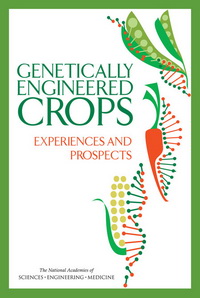 Genetically engineered (GE) crops and conventionally bredcrops have no difference in terms of causing risks to human health and the environment, according to the reportGenetically Engineered Crops: Experiences and Prospectsreleased by the National Academies of Sciences, Engineering, and Medicine.
The report is based on the results of an extensive study that was conducted by over 50 scientists for two years. The study includes data from 900 researches on biotech crops since it was commercialized in 1996.
The key points of the report include:
- Studies with animals and research on the chemical composition of GE foods currently on the market reveal no differences that would implicate a higher risk to human health and safety than from eating their non-GE counterparts.
- The use of insect resistant or herbicide tolerant crops did not reduce the overall diversity of plant and insect life on farms, and sometimes insect resistant crops resulted in increased insect diversity.
- Commercially available biotech crops had favorable economic outcomes for farmers who adopted these crops.
- Insect resistant crops have had benefits to human health by reducing insecticide poisonings.
- Several GE crops are in development that are designed to benefit human health, such as rice with increased beta-carotene content to help prevent blindness and death caused by vitamin A deficiencies in some developing nations.
The research committee established a website to enable the general public to know more details of the report and submit comments about the results.
The research was funded by Burroughs Wellcome Fund, the Gordon and Betty Moore Foundation, the New Venture Fund, and the U.S. Department of Agriculture, with additional support from the National Academy of Sciences.
Read the news release from National Academies of Sciences, Engineering and Medicine.
|